
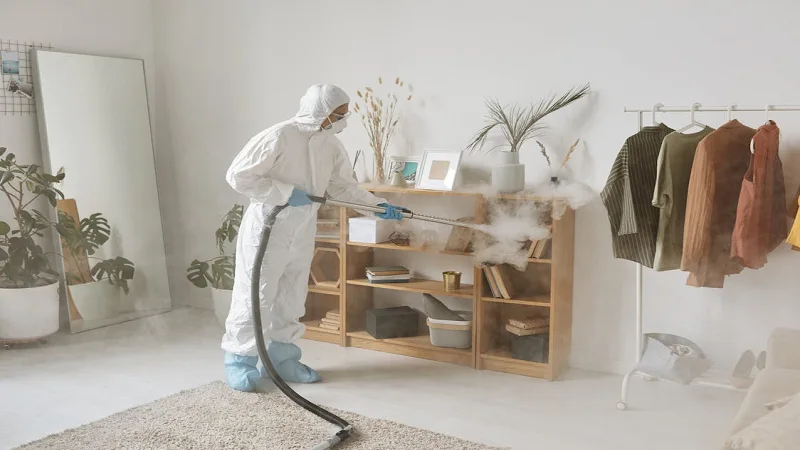
Living in Portland comes with a lot of perks, such as lush greenery, mild temperatures, and a strong connection to the outdoors. But that same environment can also make homes more inviting to pests. The mix of moisture, seasonal rain, and older housing styles creates conditions where insects and rodents can easily find food and shelter. For many homeowners, pest issues don’t start as a big problem. They begin with a few ants near the sink, a spider in the garage, or a noise in the attic that’s easy to ignore.
The key to managing household pests is understanding what you’re dealing with and knowing when simple steps are enough, or when extra help makes sense. Acting early can prevent small issues from turning into long-term infestations that are harder and more expensive to deal with later.
Knowing When Professional Pest Control Is the Right Choice
Some pest problems are short-lived and easy to manage. Wiping down counters, sealing a small crack, or setting a basic trap may solve the issue. But when pests keep coming back or spread to multiple areas of the home, it’s often a sign that the root cause hasn’t been addressed. This is especially common in areas like Portland, where damp conditions and mild winters allow pests to stay active longer.
When you’re dealing with repeated pest activity and want a more thorough solution, hire a professional. If you’re searching for long-term pest control Portland pest control and examination companies can give you services that focus on proper inspections, targeted treatments, and long-term prevention. These types of services often look beyond what’s visible, identifying entry points, nesting areas, and environmental factors that attract pests in the first place. By addressing the cause instead of just the symptoms, homeowners can reduce the chance of pests returning.
Ants and Other Crawling Insects
Ants are one of the most common household pests, especially in kitchens and bathrooms, where food and moisture are easy to find. You may notice a few ants at first, but if the trail isn’t disrupted, they tend to return in larger numbers. Cleaning surfaces regularly and storing food in sealed containers can help, but persistent ant problems usually mean there’s a nest nearby.
Other crawling insects, such as cockroaches and spiders, can also appear indoors. Cockroaches are often linked to moisture and hidden food sources, while spiders usually follow other insects inside. Reducing clutter and sealing small gaps around doors and windows can help limit their access.
Rodents in Walls, Attics, and Basements
Rodents like mice and rats often enter homes through tiny openings you might not notice right away. Once inside, they look for warmth, nesting material, and food. Common signs include scratching sounds in walls, droppings, or damaged food packaging.
Rodents can cause more than just inconvenience. They may chew on wires, insulation, and wood, leading to safety concerns. Addressing rodent problems quickly is important, as they tend to reproduce fast. Sealing entry points and keeping storage areas tidy can help, but ongoing activity usually requires a more detailed approach.
Termites and Wood-Damaging Pests
Termites are less visible than many other pests, which makes them harder to detect early. They feed on wood from the inside out, often causing damage before homeowners realize there’s a problem. While termites aren’t always common in every area, wood-damaging pests should never be ignored.
Regular inspections and paying attention to signs like hollow-sounding wood or unexplained cracks can help catch problems early. Prevention plays a big role here, especially in homes with crawl spaces or wooden foundations.
Seasonal Pests and Weather-Related Activity
Pest activity often changes with the seasons. In warmer months, ants, spiders, and other insects become more active. During colder or wetter periods, rodents may look for shelter indoors. Portland’s seasonal rain can also increase moisture levels around foundations, making homes more attractive to pests.
Checking your home during seasonal transitions helps you spot issues before they escalate. Clearing debris from around the house and keeping gutters clean can reduce pest-friendly conditions.
Simple Steps Homeowners Can Take to Reduce Pest Risks
Preventing pests often comes down to consistency. Sealing cracks, fixing leaks, and keeping food properly stored all make a difference. Managing moisture is especially important, as many pests are drawn to damp environments.
Routine cleaning, proper waste disposal, and regular home maintenance help reduce the chances of pests settling in. While these steps don’t guarantee a pest-free home, they significantly lower the risk.
Household pests are a common challenge, especially in environments that naturally support their activity. The good news is that most pest issues are manageable when addressed early and thoughtfully. Understanding common pests, recognizing warning signs, and knowing when to seek extra support can protect your home and save you stress in the long run.
By staying aware and taking action before problems grow, you give yourself the best chance to keep your home comfortable, healthy, and pest-free. See more