
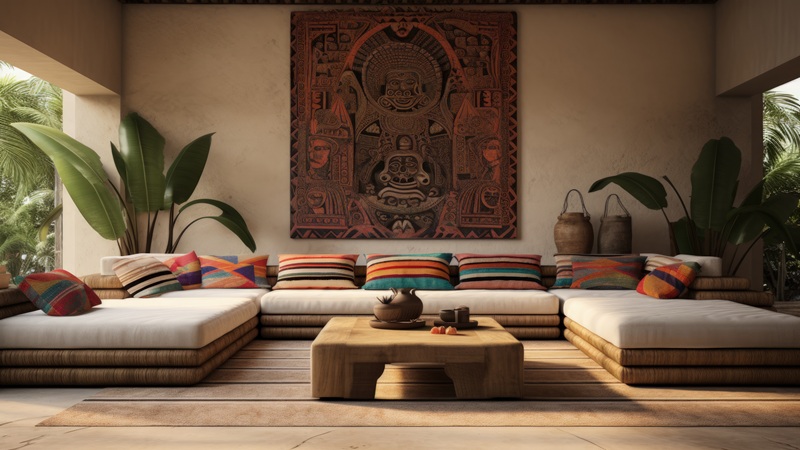
Designing indoor and outdoor spaces in Arizona requires more than simply adding a patio or large glass doors. The desert climate demands thoughtful planning that balances intense sun, dry heat, seasonal dust, and surprisingly pleasant evenings. When done right, these spaces expand usable living area, improve comfort, and support the way people actually live in the Southwest. What good is a beautiful outdoor area if it sits empty during most of the year? The key is to design with the desert in mind from the very beginning.
Why Indoor Outdoor Living Just Makes Sense in Arizona
Arizona’s climate naturally encourages homeowners to think beyond traditional interior spaces. With more than 300 sunny days per year in many parts of the state, outdoor areas can function as true extensions of the home rather than occasional-use patios. However, the same sunshine that makes outdoor living appealing also creates real comfort challenges. Designing with both opportunity and limitation in mind is what separates a usable space from one that sits empty most of the year.
Desert living is also defined by dramatic temperature swings between day and night. During summer afternoons, poorly designed outdoor areas can become unusable, yet evenings often turn pleasantly comfortable. This contrast is why flexibility matters so much in Arizona homes. When indoor and outdoor areas are thoughtfully connected, homeowners can shift their activities throughout the day instead of retreating indoors for months at a time.
Plan Around the Desert Climate From Day One
Successful indoor-outdoor spaces in Arizona always start with climate-responsive planning. Home orientation plays a major role in comfort, especially when it comes to managing the intense Western sun. Why fight the sun later with expensive fixes when smart positioning can prevent the problem from the start? Early planning should also consider prevailing breezes, which can provide meaningful passive cooling when properly captured.
Zoning is another key strategy that often gets overlooked. Different outdoor areas can be designed for morning coffee, afternoon shade, or evening gatherings, depending on how the sun moves across the property. Monsoon winds, seasonal dust, and sudden weather shifts should also influence layout decisions. Planning for these realities early reduces long-term maintenance issues and improves year-round usability.
Make the Transition Between Indoors and Outdoors Feel Effortless
A comfortable indoor-outdoor home should feel visually and physically connected, not divided into separate zones. Large sliding or multi-panel doors help eliminate the barrier between spaces and allow natural light to flow deeper into the home. When floor heights are aligned and thresholds are minimal, movement between areas becomes intuitive. These details may seem small during planning, but have a major impact on daily use.
Material continuity also strengthens the connection between inside and outside. Using complementary flooring textures or similar color palettes helps the outdoor space feel like a true extension of the interior. Sightlines matter just as much; when you can see the patio, garden, or seating area from inside, the home immediately feels larger. Placing kitchens and main living areas adjacent to outdoor zones further encourages regular use rather than occasional visits.
Build Shade That Truly Protects From the Arizona Sun
In Arizona, shade is not a luxury feature; it is the foundation of outdoor comfort. Without proper overhead protection, even beautifully designed patios can become unusable for much of the year. Covered patios, pergolas, and ramadas all serve different purposes, but their effectiveness depends on proper sizing and orientation. The goal is not just to create shade but to block the most aggressive sun angles during peak heat hours.
Layered shade strategies tend to perform best in desert climates. Deep roof overhangs can block high summer sun, while vertical elements help manage low morning or evening glare. Have you ever noticed how some patios still feel hot even when shaded? Often the issue is reflected heat from nearby surfaces rather than direct sunlight. Retractable shade features can add flexibility, allowing homeowners to adjust coverage as seasons and temperatures change.
Choose Materials That Can Handle Desert Conditions
Material selection has a direct impact on comfort, durability, and long-term maintenance in Arizona homes. Some surfaces absorb and radiate heat long after sunset, making outdoor areas uncomfortable well into the evening. Flooring options such as porcelain pavers, natural stone, and properly finished concrete tend to perform better under intense sun. Choosing the wrong materials can create problems that are difficult and expensive to fix later.
Color also plays a surprisingly important role in heat management. Lighter tones reflect more solar radiation, helping surfaces stay cooler underfoot. Dark finishes may look dramatic, but often contribute to heat buildup in exposed areas. UV resistance should also be a priority for fabrics, finishes, and sealants, since desert sun can quickly degrade lower-quality materials. Durable, low-maintenance choices typically provide the best long-term value in this climate.
Keep Outdoor Spaces Cool and Comfortable
Cooling strategies can significantly extend how often outdoor spaces are used in Arizona. Ceiling fans installed in covered patios help move air across the skin, improving perceived comfort even when temperatures remain high. Passive airflow design also matters; well-placed openings and thoughtful layout can encourage natural breezes. Why rely only on mechanical cooling when the environment can do part of the work for you?
Misting systems and water features can provide localized cooling, but must be used carefully in dry climates. Excess moisture in the wrong location may create maintenance issues or reduce comfort during humid monsoon periods. Landscaping can also help moderate temperatures by reducing radiant heat from surrounding surfaces. When multiple cooling strategies work together, outdoor areas remain usable for far more months of the year.
Use Smart Landscaping to Support Outdoor Living
In desert environments, landscaping should do more than look attractive; it should actively support comfort. Native and drought-tolerant plants are especially valuable because they provide shade without dramatically increasing water use. Trees placed on the west and southwest sides of outdoor living areas can significantly reduce late-day heat exposure. Layered planting also helps create small microclimates that feel noticeably cooler.
Pathways and plant placement should guide movement naturally between indoor and outdoor zones. Strategic landscaping can also preserve privacy without making spaces feel closed in. Have you considered how much reflected heat comes from bare gravel or hardscape areas? Balancing softscape and hardscape elements reduces heat buildup and improves overall comfort. Efficient irrigation design ensures the landscape remains sustainable in Arizona’s water-conscious environment.
Design Outdoor Kitchens and Living Areas People Actually Use
Outdoor kitchens and seating areas are most successful when they are designed around real daily habits. Proximity to the indoor kitchen reduces unnecessary trips back and forth, which encourages more frequent use. This is why kitchen remodeling professionals often recommend planning indoor and outdoor cooking zones together rather than treating them as separate projects. Appliance placement should also account for prevailing winds and heat output to prevent uncomfortable cooking conditions. Thoughtful layout decisions can make the difference between a showpiece and a truly functional space.
Durability is especially important in Arizona’s harsh climate. Countertops, cabinetry, and seating materials must withstand high heat, sun exposure, and dust. Seating areas should offer both daytime shade and comfortable evening gathering space. Proper lighting ensures the area remains usable after sunset rather than becoming a dark, underutilized corner of the yard.
Plan for Dust, Heat, and Easy Maintenance
Arizona’s desert conditions require realistic maintenance planning from the beginning. Dust intrusion is inevitable, but thoughtful entry design and transition zones can reduce how much makes its way indoors. Smooth, easy-to-clean surfaces help homeowners keep spaces looking good without constant effort. Material choices that resist fading and heat damage also reduce long-term upkeep.
Storage planning is another often-overlooked detail. Outdoor cushions, accessories, and seasonal items need a protected space during dust storms or extreme heat. Why design a beautiful outdoor room if maintaining it becomes a constant chore? Durable finishes and simple maintenance routines help ensure the space remains enjoyable rather than burdensome. Long-term usability should always guide design decisions.
Conclusion
Comfortable indoor outdoor living in Arizona comes down to smart decisions about orientation, shade, materials, cooling, and long-term durability. Homes that perform well in the desert are rarely accidental; they reflect careful planning that prioritizes real-world usability over purely visual appeal. By focusing on climate-responsive design and practical comfort strategies, homeowners can create spaces that remain inviting across seasons. Isn’t the ultimate goal to build areas that people genuinely use and enjoy throughout the year? With the right approach, desert living can feel both effortless and highly livable. See more