
Homes send out early clues when something behind the walls, under the floors, or above the ceiling starts to drift away from normal. These signs may appear subtle at first, yet small changes can reveal far more than surface-level wear. A slight crack, a strange sound, or a shift in temperature can point to developing issues that deserve attention before they grow into expensive repairs.
Homeowners who stay alert to these clues protect their investment, create a safer living environment, and reduce stress down the road. This article highlights clear signals that suggest deeper problems and explains why early action matters.
Cracks That Tell a Bigger Story
Cracks invite curiosity because they can look harmless while hinting at structural concerns. A hairline mark near a window frame might reflect normal settling, yet widening gaps or cracks that extend across walls raise a different kind of question. When a home shifts unevenly, materials respond with visible stress.
Doors may begin to stick or fail to close smoothly, and trim pieces might separate from the wall. These changes signal a need for closer evaluation. Foundation issues rarely appear overnight. They develop gradually, and the earliest signs are frequently the easiest to overlook. Careful observation helps homeowners understand when a cosmetic issue is turning into a structural warning.
Strange HVAC Noises That Point to Trouble
Mechanical systems communicate through sound. A heating or cooling unit that runs smoothly creates a steady, predictable rhythm. New clanging, grinding, or shrieking sounds often reflect loose parts, worn components, or mechanical strain. Bubbling or flowing-water noises may point to drainage or moisture-related issues that shouldn’t be ignored.
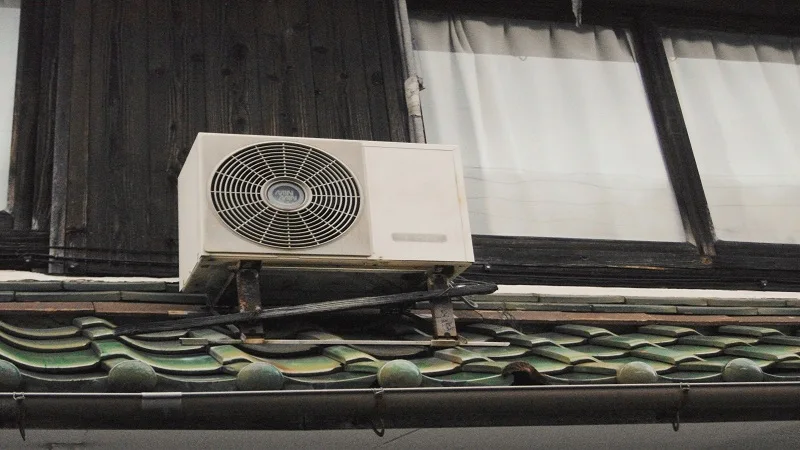
When a system starts making these sounds, it’s usually warning you that something is beginning to fail. Don’t wait for these sounds from your air conditioner before you seek professional help. Delaying service can turn a minor fix into a major repair, especially if a failing part starts damaging other components. Getting a technician in early helps protect performance, efficiency, and the lifespan of the system.
Water Stains Signaling Hidden Damage
Water has a way of revealing what the eye cannot see. Discolored spots on walls or ceilings, peeling paint, or a persistent musty smell point to moisture intrusion behind the surface. Pipes can develop tiny leaks that remain unnoticed for a long time. Roofs can allow small amounts of water to seep through weak spots.
Once moisture begins to settle into wood, insulation, or drywall, the damage accelerates. Mold may take hold, wood can weaken, and surfaces may warp. Homeowners who respond at the first sign of discoloration or dampness prevent widespread complications. A stain rarely tells the full story, so early investigation makes a meaningful difference.
Flickering Lights Hinting at Electrical Weakness
Electrical systems depend on stable connections. Lights that flicker when appliances turn on, warm outlet covers, or frequent breaker trips indicate instability inside the wiring network. These signs rarely disappear on their own. Aging wires, overloaded circuits, and worn components disrupt the flow of electricity and create hazards.
Electricians can inspect these issues and pinpoint the source before a larger failure occurs. Small electrical irregularities deserve attention because they reveal stress inside a system that supports the entire home. Addressing them early limits risk and protects both property and personal safety.
Uneven Floors Suggesting Foundation Stress
Floors provide a clear view of how a home is holding up over time. Sloping sections, loose tiles, or areas that feel soft underfoot reveal pressure on the underlying structure. Soil movement, water intrusion, and shifting support beams contribute to these changes. A misaligned door, a floor that slopes toward one corner, or a widening gap between flooring and baseboards points to possible foundation stress.
Homeowners who notice these developments should track them and seek a professional assessment. Early evaluation provides clarity, helps prevent long-term instability, and supports a safer living environment.
Persistent Drain Problems Indicating Plumbing Issues
Drainage problems give steady hints when something inside the plumbing system starts to go wrong. A single slow drain can come from a minor clog, yet repeated backups across several fixtures reveal a deeper blockage. Odors coming from sink or shower drains also point to waste buildup or ventilation problems inside the piping network.
Older homes may have pipes that weaken over time, and tree roots can push into underground lines. These issues develop quietly until pressure builds and creates a larger failure. Prompt attention helps prevent leaks, water damage, and costly restoration work. A simple check from a plumbing professional can clarify the source of the problem and keep the home safe from unexpected flooding.
Roof Wear That Foretells Expensive Repairs
Roofs play a major role in protecting every part of the home, so early signs of wear deserve close attention. Missing shingles, brittle materials, sagging sections, and granules collecting in gutters all indicate that the roof surface is losing strength. Light passing through attic boards or damp areas under the roof deck also signals weakening barriers.
Seasonal weather, strong winds, and long-term exposure gradually erode roofing materials. Repairing small issues early keeps water out, protects insulation, and prevents structural deterioration. A careful roof check, especially after storms, helps homeowners stay ahead of leaks and preserve the home’s overall stability.
Exterior Changes Pointing to Weather or Age Damage
Exterior surfaces tell a detailed story about how the home is handling sun, moisture, and temperature swings. Warped siding, cracked paint, and shifting brickwork reflect exposure that has pushed materials past their limits. Moisture that slips behind siding or brick expands during cold periods and creates stress inside the wall assembly.
Soft spots on wooden trim or discolored areas around windows signal ongoing water contact. A home’s exterior functions as a protective skin, so any visible decline warrants a closer look. Timely repairs stop moisture movement, keep pests out, and maintain the structural support underneath.
Homes give early warnings long before a serious repair becomes unavoidable. Small changes in sound, appearance, or performance help homeowners recognize problems while they are still manageable.
Prompt action protects the structure, reduces repair costs, and supports a comfortable living environment. Careful attention to these signs encourages a proactive mindset that strengthens the home’s long-term health. See more