
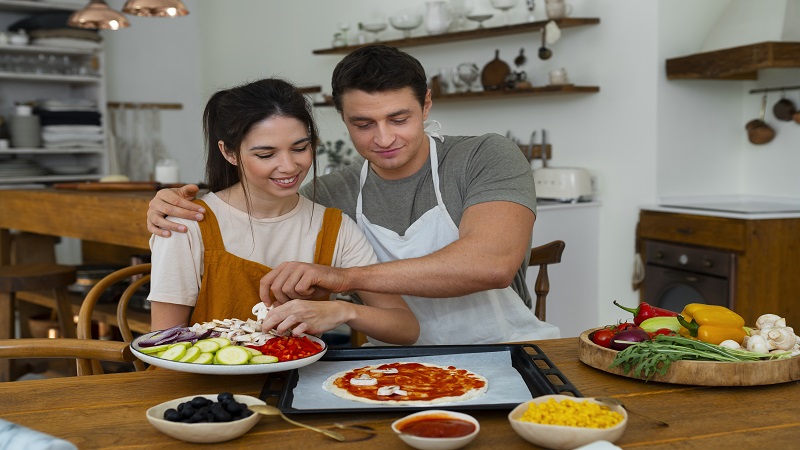
Home cooking builds routine, saves money, and carries emotional weight for anyone who values comfort, nostalgia, and small rituals. It turns simple steps into moments that feel grounding. You cook at home for more than taste. You cook to feel steady. You cook to create your own space. The idea behind heartumental homemade recipes by homehearted fits that pattern. It treats food as a memory tool. You link smell and flavor with old routines, family habits, and weekend moods.
This approach challenges the idea that cooking must be complicated. Instead of chasing perfection, it pushes you to focus on mood, intention, and the story behind each dish. When you cook this way, the process matters as much as the result. It becomes personal care disguised as kitchen work.
Why This Style Focuses on Feel Instead of Flash
This style favors basic tools, short steps, and flexible methods so you can cook even on days when your energy is low. It avoids stress and invites a slower pace. Many cooking guides chase presentation. This one doesn’t. You judge a dish by how it makes you feel afterward. That’s where the “heart” part of heartumental homemade recipes by homehearted enters the picture. It questions the belief that cooking must impress others. It tells you to cook for yourself first.
The strength of this approach lies in letting you adapt. If you want to swap ingredients, you can. If you want smaller portions, you can. It rejects strict rules. You shape each dish around your mood and available ingredients. That freedom changes the usual kitchen pressure into something gentler.
How to Build a Practical Pantry for Daily Recipes
A stable pantry creates consistency and cuts decision fatigue, making it easier to cook without planning every detail. You gain speed and reduce waste. Your pantry sets the tone. Keep it basic. Keep it reliable. You don’t need specialty products to follow the idea behind heartumental homemade recipes by homehearted. What you need is a set of ingredients that work across meals.
Consider items like rice, pasta, canned tomatoes, beans, lentils, oats, spices, garlic, onions, and cooking oil. These staples build dozens of meals. They stay fresh for long stretches. They also support both quick dinners and slow weekend batches. Having this foundation lets you cook even when you feel tired.
A stocked pantry pushes variety without forcing complexity. You can move from soups to stir-fries to baked dishes without feeling stuck. It also limits the impulse to order food at the last minute.
Why Simple Recipes Often Taste Better
Simple recipes lower the risk of mistakes, keep flavors clean, and let you taste the ingredients instead of the technique. Less gets in the way. Many cooks assume flavor comes from long steps or fancy methods. But time after time, simple dishes win. They rely on balance: fat, acid, salt, and heat. They keep you focused on the base taste of each ingredient.
This lines up with the spirit of heartumental homemade recipes by homehearted, which celebrates meals that feel real rather than staged. When you cook with fewer steps, you’re more likely to finish the dish. You also learn to trust your senses, smell, taste, sound, and timing rather than recipe clocks.
Simplicity also cuts costs. You waste less. You use what you have. And you skip long shopping trips that drain your energy.
Slow Recipes That Build Comfort
Slow cooking anchors your evening, encourages patience, and deepens flavors without constant supervision. It suits both busy and reflective days. Slow recipes carry emotional weight. The steady simmer or long bake gives you space to breathe. You step away and return to a richer aroma. This creates anticipation. It feels like the dish meets you halfway.
Soups, stews, roasted vegetables, and long-simmer sauces all fall into this category. They require minimal attention but offer maximum payoff. They help you settle into a calmer state. This is where the emotional core of heartumental homemade recipes by homehearted shows up again: cooking becomes a grounding ritual.
The more you repeat slow dishes, the more they form personal memory patterns. That first smell after opening the pot often becomes a ritual in its own right.
Fast Recipes for Busy Days
Fast dishes rely on strong seasoning, high heat, and clever shortcuts that never lower the quality. They help you eat well even when time is tight. Fast cooking doesn’t mean careless. It means efficient. You build flavor quickly through searing, sautéing, and smart pairing. Eggs, noodles, frozen vegetables, canned beans, and pre-cut items can save an entire day.
You don’t need to choose between fast and comforting. You can have both. A quick dish still counts as part of heartumental homemade recipes by homehearted because the intent stays the same: feed yourself without stress. A simple stir-fry, one-pot pasta, or thick omelet can carry the same emotional weight as a slow stew if you cook it with purpose.
Fast meals also support irregular workdays, late-night hunger, and unpredictable schedules.
The Role of Texture in Homemade Meals
Texture shapes your experience more than seasoning because it influences every bite. Balance creates satisfaction, while monotony makes a dish fall flat. Most people chase taste but forget texture. Crunch, creaminess, chew, and softness all matter. A dish often feels incomplete, not because of flavor but because everything feels the same.
Mix textures. Add toasted breadcrumbs. Use lightly charred vegetables. Squeeze citrus at the end for contrast. These touches take seconds but shift the entire mood of the dish.
This approach fits naturally into heartumental homemade recipes by homehearted, which emphasizes sensory experience. Texture makes the dish memorable and ties it to a moment.
Using Family Traditions Without Feeling Trapped
Family recipes can offer comfort, but you’re free to adjust them. Tradition guides you, but it shouldn’t lock you into exact copies. Many cooks feel pressure to recreate old recipes exactly. But memory-based cooking invites flexibility. Keep the spirit, not the blueprint. Swap spices, shorten steps, or update ingredients.
This lets you honor your roots without feeling restricted. It also helps you blend childhood flavors with your current lifestyle. You cook for today while carrying pieces of yesterday.
Tradition becomes a starting point, not a cage.
Building Weekly Habits That Reduce Stress
Small routines prepping ingredients, freezing portions, and repeating favorite dishes create stability and lower daily decision fatigue. Cooking becomes easier when you remove little frictions. Prep once. Cook many times. Freeze extra servings. Repeat recipes that work. These habits turn cooking into a support system instead of a chore.
The method matches the gentler philosophy behind heartumental homemade recipes by homehearted, which encourages self-support rather than pressure. When meals grow predictable in a good way, your days feel smoother. You also feel more in control of your schedule.
How to Personalize Any Recipe
Personalizing recipes helps you gain confidence, reduce dependence on strict instructions, and shape meals around your needs instead of the author’s. Start with replacements. Swap vegetables. Change grains. Adjust salt. Add heat. Remove ingredients you dislike. Replace dairy with alternatives. Small changes build confidence.
Once you do this often, you learn your patterns. You know what your taste leans toward. That awareness turns cooking into expression rather than obligation.
Keeping Recipes Affordable Without Sacrificing Quality
Smart shopping, seasonal produce, and batch cooking keep costs down while preserving flavor and variety.
High-quality meals don’t need high expense. You can shop seasonally. You can buy in bulk. You can use frozen produce at a fraction of the cost.
Affordable cooking lines up with the broader message of heartumental homemade recipes by homehearted: make meals that support your life, not drain it.
Creating Meals That Build Memory
Memory grows from repetition, emotion, and the atmosphere around the meal, not from the recipe alone.
A dish becomes meaningful when tied to a moment. Maybe you made it during a quiet evening. Maybe it helped you through a rough week. Those associations turn simple recipes into anchors.
Cooking repeatedly builds emotional memory. The smell of a dish becomes a form of recall. The sound of oil in the pan becomes comforting.
Final Thoughts
Cooking this way isn’t about impressing people. It’s about grounding yourself. When you cook with intention, even simple dishes feel fuller. You shape your space. You set your pace. And you build quiet rituals you can return to.